
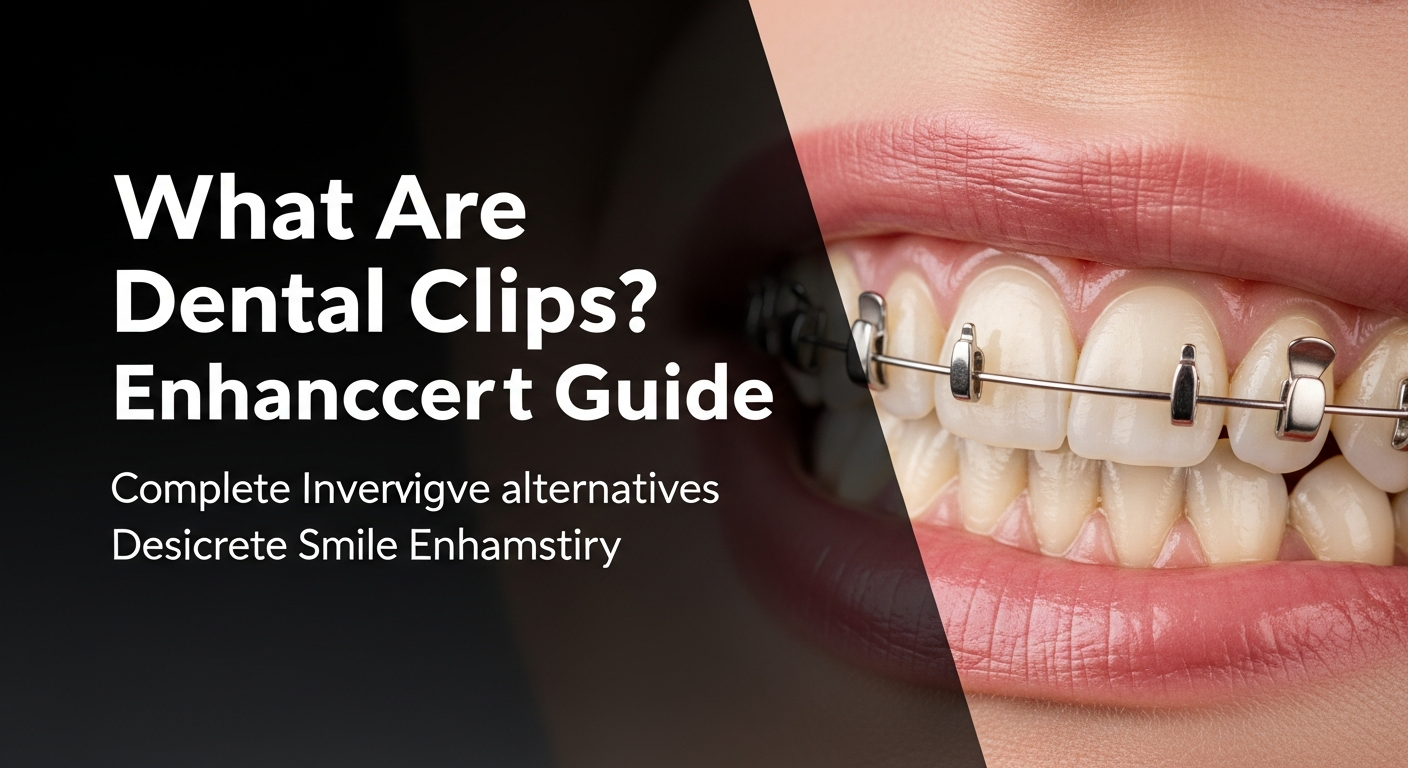
What Are Dental Clips? Complete Smile Enhancement Guide

Understanding Dental Clips: The Modern Approach to Smile Enhancement

Dental clips have emerged as a game-changing solution for individuals seeking to improve their smile without committing to permanent dental procedures. These innovative devices represent a broad category of removable dental appliances designed to enhance the appearance of your teeth temporarily or semi-permanently. Unlike traditional orthodontics or permanent cosmetic dentistry, dental clips offer flexibility, affordability, and immediate results that have revolutionized how people approach smile enhancement.

The term "dental clips" encompasses various removable dental solutions, including clip-on veneers, snap-on smiles, removable dental covers, and temporary alignment devices. These products have gained significant popularity due to their non-invasive nature and the ability to transform a smile instantly without drilling, bonding, or lengthy treatment periods.

Types of Dental Clips Available Today

The dental clip market offers several distinct categories, each designed to address specific cosmetic concerns and lifestyle needs. Clip-on veneers represent the most popular option, featuring thin shells that snap over existing teeth to create the appearance of perfectly aligned, white teeth. These custom-fitted devices are typically made from high-quality dental resin or porcelain-like materials that mimic natural tooth enamel.

Snap-on smiles constitute another major category, offering full-arch coverage that transforms both upper and lower teeth simultaneously. These comprehensive solutions are particularly beneficial for individuals with multiple cosmetic concerns, including gaps, discoloration, minor misalignment, and worn or chipped teeth.

Removable alignment clips function similarly to clear aligners but focus primarily on cosmetic improvement rather than comprehensive orthodontic treatment. These devices gradually shift teeth into more aesthetically pleasing positions while remaining completely removable for eating, drinking, and oral hygiene.

Temporary dental covers serve as short-term solutions for special events or professional situations where an enhanced smile is desired. These clips are designed for occasional use and prioritize immediate aesthetic improvement over long-term dental health benefits.

The Science Behind Clip-On Dental Solutions

Modern dental clips utilize advanced materials science and precision manufacturing techniques to create devices that closely replicate natural tooth appearance and function. The development process typically involves digital scanning technology to capture precise impressions of individual tooth structures, ensuring optimal fit and comfort.

High-grade dental resins used in quality clip-on solutions undergo rigorous testing for biocompatibility, durability, and stain resistance. These materials are specifically formulated to withstand normal oral conditions while maintaining their aesthetic properties over extended periods of use.

The attachment mechanism varies depending on the specific type of dental clip. Some utilize gentle pressure and precise contouring to stay in place, while others employ specialized clips or retention systems that secure to existing teeth without causing damage or discomfort.

Benefits and Advantages of Dental Clips

The primary advantage of dental clips lies in their non-invasive nature, eliminating the need for drilling, grinding, or permanent alteration of natural teeth. This reversible approach allows individuals to experiment with different smile aesthetics without long-term commitment or potential complications associated with permanent procedures.

Cost-effectiveness represents another significant benefit, as dental clips typically cost a fraction of traditional cosmetic dentistry procedures. While professional veneers or orthodontic treatment can cost thousands of dollars, quality clip-on solutions often provide similar aesthetic results at substantially lower prices.

Immediate results constitute a major draw for many users, as dental clips can transform a smile instantly upon application. This immediate gratification contrasts sharply with traditional orthodontics, which may require months or years to achieve desired results.

The convenience factor cannot be overstated, as dental clips allow users to maintain their enhanced smile for important events while removing the devices for eating, drinking, or oral hygiene. This flexibility accommodates various lifestyle needs and preferen

ces without compromising daily activities.

Limitations and Considerations

Despite their numerous advantages, dental clips do have important limitations that potential users should understand. These devices are primarily cosmetic solutions and do not address underlying dental health issues such as decay, gum disease, or structural problems that may require professional treatment.

Durability varies significantly among different products and manufacturers, with some clip-on solutions lasting only weeks while others may maintain their appearance and function for several months with proper care. The lifespan depends heavily on usage frequency, oral hygiene practices, and the quality of materials used in construction.

Comfort and speech adaptation may require time and practice, as some users initially experience minor speech changes or awareness of the foreign object in their mouth. Most individuals adapt quickly, but the adjustment period varies among users.

Eating and drinking restrictions apply to most dental clips, as these devices are not designed to withstand the forces associated with chewing hard or sticky foods. Users must typically remove clips before meals, which may be inconvenient in social or professional settings.

Choosing the Right Dental Clip Solution

Selecting appropriate dental clips requires careful consideration of individual needs, expectations, and oral health status. The first step involves honestly assessing your specific cosmetic concerns and determining whether clip-on solutions can adequately address these issues.

Quality considerations should prioritize products from reputable manufacturers that use FDA-approved materials and provide clear care instructions. Reading customer reviews and seeking recommendations from dental professionals can help identify reliable options that deliver consistent results.

Fit and comfort are paramount, as poorly fitting clips can cause discomfort, speech difficulties, or damage to natural teeth. Many quality manufacturers offer impression kits or digital scanning services to ensure precise customization for individual mouth structures.

Budget considerations should account for both initial costs and potential replacement needs, as dental clips are not permanent solutions and may require periodic replacement depending on usage patterns and care practices.

Proper Care and Maintenance

Maintaining dental clips requires consistent care routines that preserve both the devices and underlying oral health. Daily cleaning with appropriate solutions removes bacteria, plaque, and staining agents that can accumulate on clip surfaces and compromise both appearance and hygiene.

Storage practices significantly impact longevity, as proper storage in provided cases or containers protects clips from damage, contamination, and loss. Avoiding extreme temperatures and direct sunlight helps preserve material properties and prevents warping or discoloration.

Regular inspection for signs of wear, damage, or poor fit ensures continued safety and effectiveness. Users should discontinue use and seek professional advice if clips become loose, cracked, or cause persistent discomfort.

Professional consultation remains important even when using over-the-counter dental clips, as underlying oral health issues may require attention before or during cosmetic enhancement efforts.

Future Developments and Innovations

The dental clip industry continues evolving with advancing technology and materials science. Emerging developments include improved biocompatible materials that offer enhanced durability and more natural appearance, as well as digital manufacturing techniques that provide even more precise customization.

Smart dental clips incorporating sensors or monitoring capabilities represent potential future innovations that could track oral health metrics while providing cosmetic benefits. These developments may bridge the gap between purely cosmetic solutions and functional dental health monitoring.

Integration with professional dental care is becoming more sophisticated, with some manufacturers partnering with dental professionals to offer hybrid solutions that combine the convenience of clip-on devices with professional oversight and customization.

As consumer demand continues growing, the industry is likely to see expanded options, improved materials, and more accessible pricing that makes quality dental clips available to broader populations seeking smile enhancement solutions.