
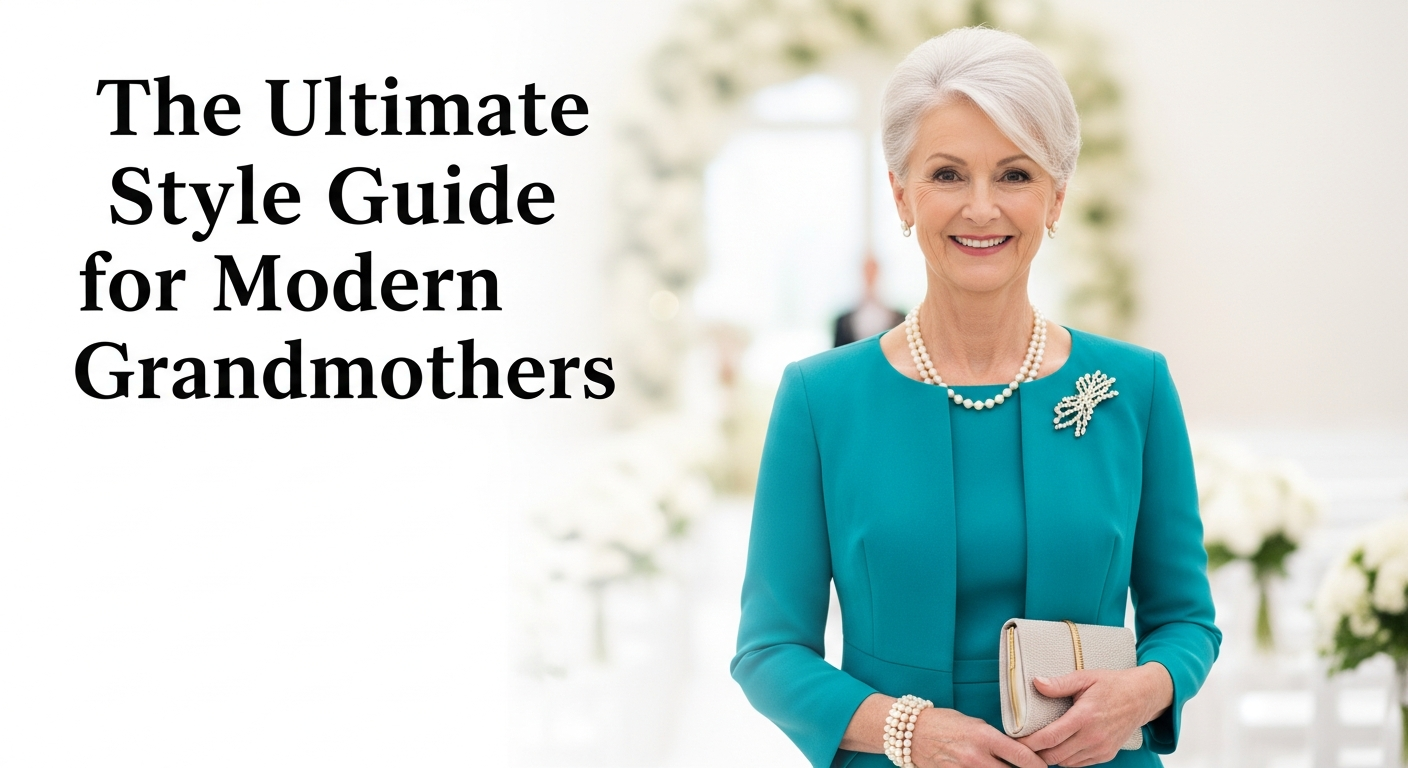
Understanding Your Role in Wedding Fashion Hierarchy
As the grandmother of the bride or groom, your position in the wedding party carries both privilege and responsibility. You're part of the immediate family circle, which means your attire should reflect the significance of your role while complementing the overall wedding aesthetic. Unlike other guests, you'll likely be prominently featured in photographs, participate in special ceremonies, and may have specific duties throughout the day that require both comfort and elegance.
The modern grandmother's style approach differs significantly from previous generations. Today's grandmothers are more active, fashion-conscious, and confident in expressing their personal style. You're not expected to fade into the background or dress in muted, matronly styles. Instead, your goal is to strike a balance between sophistication, appropriateness, and personal expression that honors both the occasion and your individual taste.
Coordinating with the Wedding Party Without Overstepping
Communication is essential when selecting your wedding attire. Start by having a conversation with the bride or groom about their vision for the wedding's color palette and formality level. Many couples today provide style guidelines or mood boards that can help guide your choices. However, avoid asking to see the bride's dress or demanding detailed information about bridesmaids' attire, as this can create unnecessary stress during wedding planning.
Generally, grandmothers should avoid wearing white, ivory, champagne, or any shade that could be mistaken for bridal colors. Similarly, steer clear of the exact colors chosen for bridesmaids unless specifically requested by the couple. Instead, opt for complementary colors that photograph well and enhance the overall wedding palette. Deep jewel tones, sophisticated pastels, or classic neutrals like navy, charcoal, or burgundy often work beautifully.
Consider the season and venue when making color choices. Rich, warm tones work well for fall and winter weddings, while lighter, brighter colors are appropriate for spring and summer celebrations. Beach weddings call for different color considerations than formal church ceremonies or garden parties.
Selecting the Perfect Silhouette for Your Body Type
The key to looking and feeling confident lies in choosing silhouettes that flatter your current body shape rather than trying to recreate looks from decades past. A-line dresses and fit-and-flare styles are universally flattering and offer comfort for long wedding days. These silhouettes provide structure around the waist while allowing freedom of movement for dancing, sitting, and participating in wedding activities.
For those who prefer separates, consider elegant coordinated sets or sophisticated blouses paired with well-fitted skirts or trousers. Wrap dresses can be particularly flattering as they create a defined waistline and can accommodate various body types. Empire waistlines work well for those who want to minimize the midsection, while sheath dresses can be elegant for those with straighter figures.
Pay attention to sleeve length and neckline choices. Three-quarter sleeves or long sleeves often provide the most flattering coverage while maintaining elegance. Avoid strapless or very low-cut necklines, opting instead for modest V-necks, boat necks, or jewel necklines that photograph well and maintain appropriate coverage for family photos.
Fabric Choices That Combine Comfort and Elegance
Fabric selection significantly impacts both appearance and comfort throughout the wedding day. Choose fabrics that drape well, resist wrinkles, and allow for movement. Crepe, jersey, and ponte knits offer stretch and comfort while maintaining a polished appearance. Chiffon and silk provide elegance but may require more careful handling and can wrinkle easily.
Consider the wedding venue and season when selecting fabrics. Breathable materials like cotton blends or lightweight wools work well for outdoor ceremonies, while heavier fabrics like brocade or velvet are appropriate for formal indoor winter weddings. Avoid fabrics that are too casual, such as denim or jersey that appears too much like loungewear, as well as overly formal fabrics like heavy satin that might compete with bridal attire.
Texture can add visual interest without being overwhelming. Subtle patterns, delicate beading, or textured weaves can e