
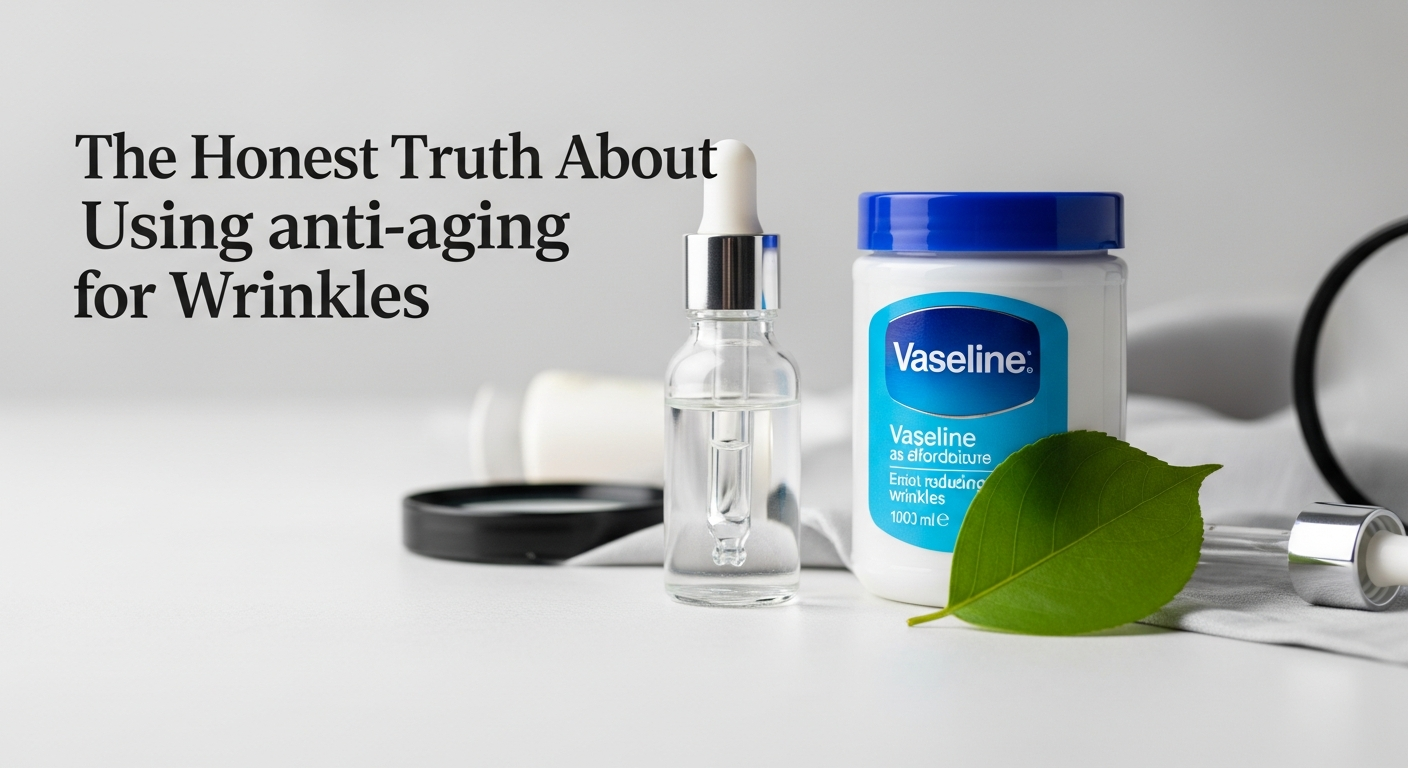
The Honest Truth About Using Vaseline for Wrinkles

Understanding What Vaseline Actually Is and How It Works

Vaseline, the brand name for petroleum jelly or petrolatum, is a semi-solid mixture of hydrocarbons derived from petroleum. First discovered in 1859 by chemist Robert Chesebrough, this colorless, odorless substance has maintained its popularity for over 150 years due to its remarkable occlusive properties. When applied to skin, Vaseline forms a protective barrier that prevents water loss, creating an environment that can temporarily improve the appearance of fine lines.

The mechanism behind Vaseline's effects on wrinkles is purely physical, not biochemical. Unlike active ingredients such as retinoids or peptides that stimulate cellular processes, petrolatum works by creating a moisture-trapping seal on the skin's surface. This occlusive action can make skin appear plumper and smoother temporarily, which may reduce the visibility of superficial wrinkles and fine lines.

The Science Behind Petrolatum and Skin Hydration

Research published in dermatological journals consistently demonstrates that petrolatum is one of the most effective occlusive agents available. Studies show it can reduce transepidermal water loss by up to 99%, making it more effective than many expensive moisturizing ingredients. This exceptional barrier function explains why dermatologists often recommend Vaseline for compromised skin barriers and dry skin conditions.

However, it's crucial to understand that this hydration effect addresses only one aspect of wrinkle formation. Wrinkles develop due to multiple factors including collagen breakdown, elastin degradation, repeated facial expressions, sun damage, and natural aging processes. While improved hydration can temporarily plump the skin and reduce the appearance of fine lines, it doesn't address the underlying structural changes that create deeper wrinkles.

Clinical observations reveal that the wrinkle-reducing effects of Vaseline are most noticeable on dehydrated skin and superficial lines. When skin is properly hydrated, it naturally appears smoother and more supple, creating an optical effect that can minimize the appearance of early signs of aging.

Realistic Expectations: What Vaseline Can and Cannot Do

Setting appropriate expectations is essential when considering Vaseline for anti-aging purposes. This petroleum-based product excels at preventing moisture loss and protecting compromised skin barriers, but it has significant limitations as an anti-aging treatment.

Vaseline can effectively address fine lines caused by dehydration, particularly around the delicate eye area where skin is thinner and more prone to dryness. Many users report that applying a thin layer of Vaseline before bed helps soften the appearance of crow's feet and smile lines by morning. This effect occurs because well-hydrated skin reflects light more evenly, creating a smoother appearance.

However, Vaseline cannot stimulate collagen production, increase cell turnover, or repair sun damage—all crucial processes for meaningful anti-aging results. Deep wrinkles, expression lines, and age-related volume loss require active ingredients or professional treatments to achieve noticeable improvement. Expecting Vaseline to deliver results comparable to retinoids, alpha hydroxy acids, or cosmetic procedures will lead to disappointment.

Proper Application Techniques for Maximum Benefit

When using Vaseline for wrinkle prevention or treatment, application technique significantly impacts results. The key is using the minimal amount necessary to create an effective barrier without clogging pores or creating an overly greasy appearance.

Start with freshly cleansed, slightly damp skin to enhance the hydrating effects. Apply a very thin layer of Vaseline to target areas, focusing on fine lines around the eyes, mouth, and forehead. The product should be barely visible once applied—if skin appears shiny or greasy, you've used too much. Gently pat and press the product into skin rather than rubbing vigorously, which can irritate delicate facial skin.

For best results, apply Vaseline as the final step in your evening skincare routine. This allows other beneficial ingredients like serums or treatments to penetrate the skin before sealing them in with the occlusive barrier. Avoid applying Vaseline during daytime routines, as it can interfere with sunscreen application and create an undesirable appearance under makeup.

Potential Drawbacks and Safety Considerations

While generally considered safe for most people, Vaseline isn't without potential drawbacks when used on facial skin. The primary concern is its comedogenic potential—the ability to clog pores and c

ontribute to acne formation. Although pure petrolatum is technically non-comedogenic, its heavy, occlusive nature can trap bacteria, dead skin cells, and sebum, particularly in individuals with oily or acne-prone skin.

Some users experience milia—small, white bumps that form when keratin becomes trapped beneath the skin surface. This condition is more likely to occur with heavy or frequent Vaseline application, especially around the delicate eye area. Additionally, the thick consistency of Vaseline can interfere with the skin's natural exfoliation process, potentially leading to a buildup of dead skin cells.

People with sensitive skin may experience irritation, though this is relatively uncommon with pure petroleum jelly. However, some Vaseline products contain added fragrances or other ingredients that could trigger reactions in susceptible individuals. Always patch test new products and discontinue use if irritation occurs.

Comparing Vaseline to Modern Anti-Aging Ingredients

To make informed skincare decisions, it's helpful to understand how Vaseline compares to scientifically proven anti-aging ingredients. Retinoids, considered the gold standard for wrinkle treatment, work by accelerating cell turnover and stimulating collagen production. Clinical studies demonstrate that consistent retinoid use can significantly improve fine lines, wrinkles, and skin texture over several months.

Alpha hydroxy acids (AHAs) and beta hydroxy acids (BHAs) provide chemical exfoliation that removes dead skin cells and promotes cellular renewal. These ingredients can improve skin texture, reduce hyperpigmentation, and minimize the appearance of fine lines through regular use.

Peptides, vitamin C, and niacinamide offer additional anti-aging benefits through various mechanisms including antioxidant protection, collagen support, and improved skin barrier function. While these ingredients require consistent use over time to show results, they address the underlying causes of aging rather than simply masking symptoms.

Vaseline's role in a comprehensive anti-aging routine is supportive rather than primary. It can enhance the effectiveness of active ingredients by preventing moisture loss and supporting barrier function, but it shouldn't replace proven anti-aging treatments.

Expert Recommendations and Best Practices

Dermatologists generally view Vaseline as a valuable tool for maintaining skin health rather than a primary anti-aging treatment. Board-certified dermatologists often recommend petroleum jelly for patients with compromised skin barriers, eczema, or severe dryness, where its exceptional occlusive properties provide therapeutic benefits.

For anti-aging purposes, experts suggest using Vaseline strategically as part of a broader skincare routine. Apply it over active ingredients to enhance their effectiveness and prevent moisture loss, particularly during harsh weather conditions or in dry climates. This approach, known as "slugging" in skincare communities, can help maximize the benefits of other products while providing additional hydration.

However, skincare professionals emphasize that sustainable anti-aging results require a multi-faceted approach including sun protection, active ingredients like retinoids or AHAs, and consistent skincare habits. Vaseline alone cannot deliver the comprehensive benefits needed for significant wrinkle reduction or prevention.

Making an Informed Decision About Vaseline for Wrinkles

The honest truth about using Vaseline for wrinkles is nuanced. This affordable, accessible product can provide temporary improvements in skin appearance by enhancing hydration and creating a smoother surface texture. For individuals with dehydrated skin or superficial fine lines, Vaseline may offer noticeable benefits, particularly when used consistently as part of an evening routine.

However, expecting dramatic anti-aging results from Vaseline alone is unrealistic. Deep wrinkles, significant sun damage, and advanced signs of aging require more sophisticated treatments and active ingredients. Vaseline works best as a supportive component in a comprehensive skincare routine rather than a standalone anti-aging solution.

Consider your skin type, concerns, and goals when deciding whether to incorporate Vaseline into your routine. Those with oily or acne-prone skin may want to avoid heavy occlusive products, while individuals with dry or sensitive skin might find Vaseline beneficial for maintaining hydration and barrier function. Ultimately, the most effective anti-aging approach combines proven active ingredients, consistent sun protection, and appropriate moisturization tailored to your individual needs.