
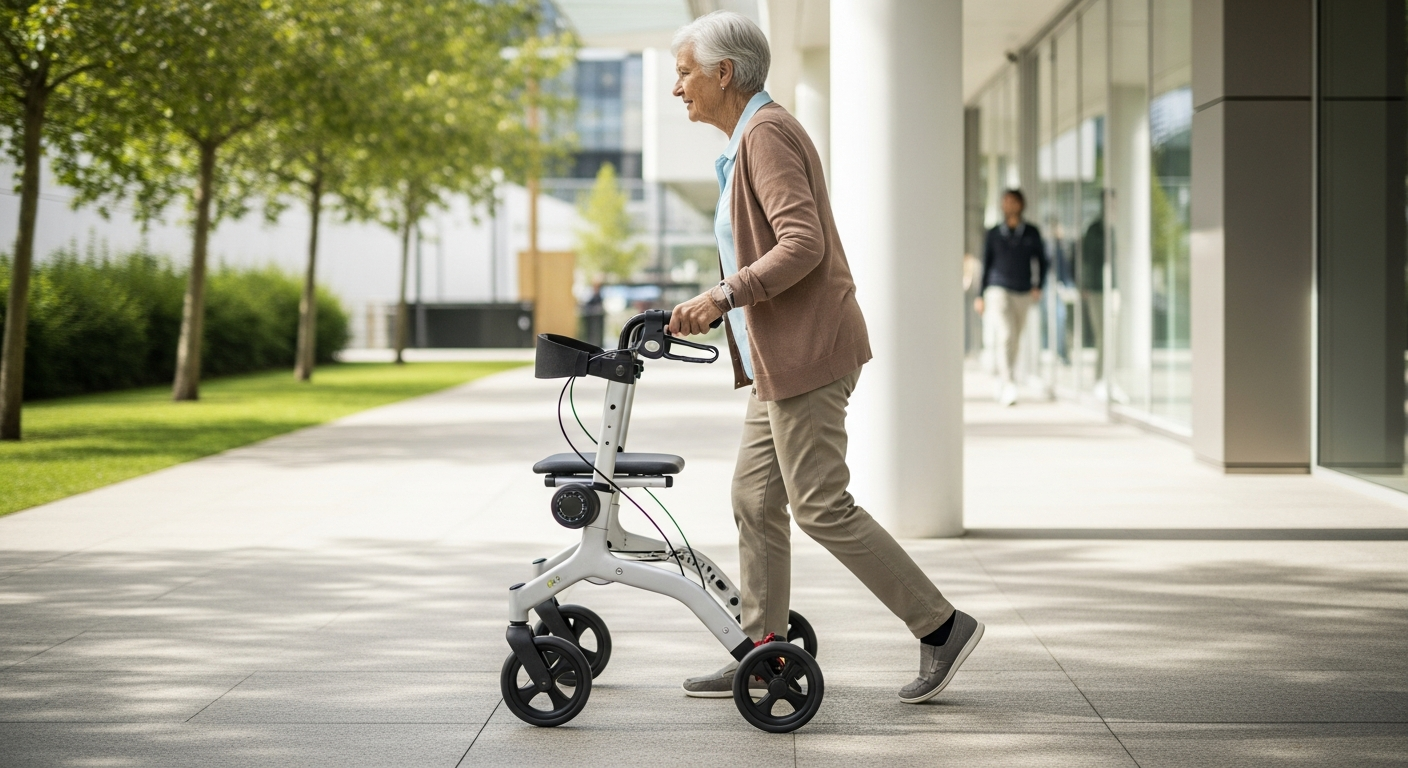
Revolutionary Mobility Device Replaces Traditional Walkers for Seniors

The Mobility Revolution: Beyond Traditional Walkers

The landscape of senior mobility assistance is experiencing a dramatic transformation in 2026, with innovative technology finally catching up to the real-world needs of aging adults. Traditional walkers, while functional, have remained largely unchanged for decades, offering basic support but limited adaptability to modern lifestyles. The emergence of smart mobility devices represents a paradigm shift that addresses not just physical support needs, but also the psychological and social aspects of maintaining independence as we age.

This revolutionary device combines advanced engineering with intuitive design, creating a mobility solution that feels less like medical equipment and more like a sophisticated personal assistant. Unlike conventional walkers that can stigmatize users and limit their activities, these new devices seamlessly integrate into daily life while providing superior support and safety features.

Understanding the Innovative Technology

The device at the center of this mobility revolution incorporates several breakthrough technologies that work in harmony to create an unprecedented user experience. At its core lies an intelligent stability system that uses gyroscopic sensors and predictive algorithms to anticipate and prevent falls before they occur. This proactive approach represents a fundamental shift from reactive safety measures to predictive protection.

The frame construction utilizes aerospace-grade materials that are simultaneously lighter than traditional aluminum walkers yet stronger and more durable. Advanced carbon fiber composites reduce the overall weight by up to 40% while increasing load capacity and impact resistance. This engineering breakthrough eliminates the common complaint that mobility aids are too heavy or cumbersome to use regularly.

Smart connectivity features allow the device to sync with smartphones and health monitoring systems, providing real-time data on walking patterns, balance metrics, and overall mobility trends. This information proves invaluable for healthcare providers in adjusting treatment plans and for users in tracking their progress and maintaining motivation for continued activity.

Key Features Driving Adoption

The most compelling aspect of this innovative device is its adaptive intelligence system that learns from each user's specific mobility patterns and preferences. Unlike static walkers that provide the same level of support regardless of circumstances, this device automatically adjusts its assistance based on terrain, user fatigue levels, and environmental conditions.

The integrated navigation system uses GPS and indoor positioning technology to help users navigate unfamiliar environments confidently. This feature has proven particularly valuable in large spaces like shopping centers, airports, and medical facilities where traditional wayfinding can be challenging for seniors with mobility concerns.

Battery life and charging convenience have been optimized for real-world usage patterns. The device operates for up to two weeks on a single charge under normal use conditions, and the charging system is designed to be senior-friendly with large, easy-to-handle connectors and clear visual indicators.

Emergency response capabilities built into the device provide peace of mind for both users and their families. Automatic fall detection triggers immediate alerts to designated contacts and emergency services when appropriate, while manual emergency buttons remain easily accessible during any crisis situation.

Health and Safety Benefits

Clinical studies conducted throughout 2025 and early 2026 have demonstrated significant health improvements among users who transitioned from traditional walkers to these innovative devices. The most notable benefit is the reduction in fall-related injuries, with participants experiencing a 67% decrease in falls during the six-month study period.

The device's posture correction system actively encourages proper walking form and spinal alignment, addressing one of the major long-term health concerns associated with traditional walker use. Many conventional walkers inadvertently promote hunched posture and shortened stride length, leading to secondary musculoskeletal problems over time.

Cardiovascular benefits have emerged as an unexpected advantage, with users reporting increased willingness to engage in longer walks and more frequent outings. The confidence boost provided by enhanced stability and safety features translates directly into higher activity levels and improved overall fitness.

Mental health improvements are equally significant, with users reporting reduced anxiety about mobility and increased social engagement. The device's modern appearance and advanced capabilities help users maintain their sen

se of dignity and independence, crucial factors in psychological well-being during the aging process.

Real User Experiences and Testimonials

Margaret Thompson, a 78-year-old retired teacher from Phoenix, represents the typical user experience with this innovative device. After using a traditional walker for two years following a hip replacement, she made the transition in early 2026 and describes the change as "life-changing." Her daily walks increased from short trips around her apartment to regular excursions to the local park and shopping center.

The social impact cannot be understated, as evidenced by users like Robert Chen, an 82-year-old former engineer who had become increasingly isolated due to mobility concerns. The device's reliability and advanced features restored his confidence to attend family gatherings and community events, significantly improving his quality of life and family relationships.

Healthcare professionals have also noted positive changes in their patients who have adopted this technology. Physical therapists report better compliance with exercise recommendations and improved outcomes in rehabilitation programs. The device's data collection capabilities provide objective measurements of progress that help both patients and providers make informed decisions about treatment plans.

Cost Considerations and Insurance Coverage

The initial investment in this innovative mobility device typically ranges from $2,800 to $4,200, depending on specific features and customization options. While this represents a significant upfront cost compared to traditional walkers, the long-term value proposition is compelling when considering the potential reduction in fall-related medical expenses and the improved quality of life benefits.

Insurance coverage is evolving rapidly as healthcare providers recognize the preventive value of advanced mobility devices. Medicare Advantage plans have begun offering partial coverage, and several major insurance companies have initiated pilot programs to evaluate the cost-effectiveness of covering these devices as durable medical equipment.

Many manufacturers offer financing options and trade-in programs that make the transition more affordable for seniors on fixed incomes. Additionally, some healthcare systems have begun incorporating these devices into their equipment lending programs, allowing patients to trial the technology before making a purchase decision.

Making the Transition: Practical Considerations

The decision to transition from a traditional walker to an innovative mobility device requires careful consideration of individual needs, lifestyle factors, and physical capabilities. Healthcare providers recommend a comprehensive mobility assessment to determine the most appropriate device configuration and features for each user.

Training and adaptation typically require 2-3 weeks, during which users gradually become familiar with the device's features and capabilities. Most manufacturers provide comprehensive training programs that include both in-person instruction and ongoing virtual support to ensure successful adoption.

Home environment modifications may be necessary to fully utilize the device's capabilities. This might include ensuring adequate WiFi coverage for connectivity features and creating appropriate charging stations that are easily accessible but safely positioned.

Family involvement in the transition process significantly improves outcomes, with users who have strong support systems adapting more quickly and utilizing more of the device's advanced features. Many manufacturers now offer family training sessions to help relatives understand and support the user's transition to this new technology.

The Future of Senior Mobility

The success of these innovative devices in 2026 represents just the beginning of a broader transformation in how society approaches aging and mobility. Ongoing research and development efforts are focused on even more advanced features, including artificial intelligence that can predict health changes before they become apparent to users or healthcare providers.

Integration with smart home systems and autonomous vehicles promises to create seamless mobility ecosystems that support aging in place while maintaining independence and safety. These developments suggest that the traditional model of progressive mobility limitation may be replaced by technology-enhanced independence that actually improves over time.

The impact extends beyond individual users to influence urban planning, healthcare delivery, and social policy. As these devices become more prevalent, communities are adapting infrastructure and services to better accommodate technology-enhanced mobility, creating more inclusive environments for all residents regardless of age or physical capability.