
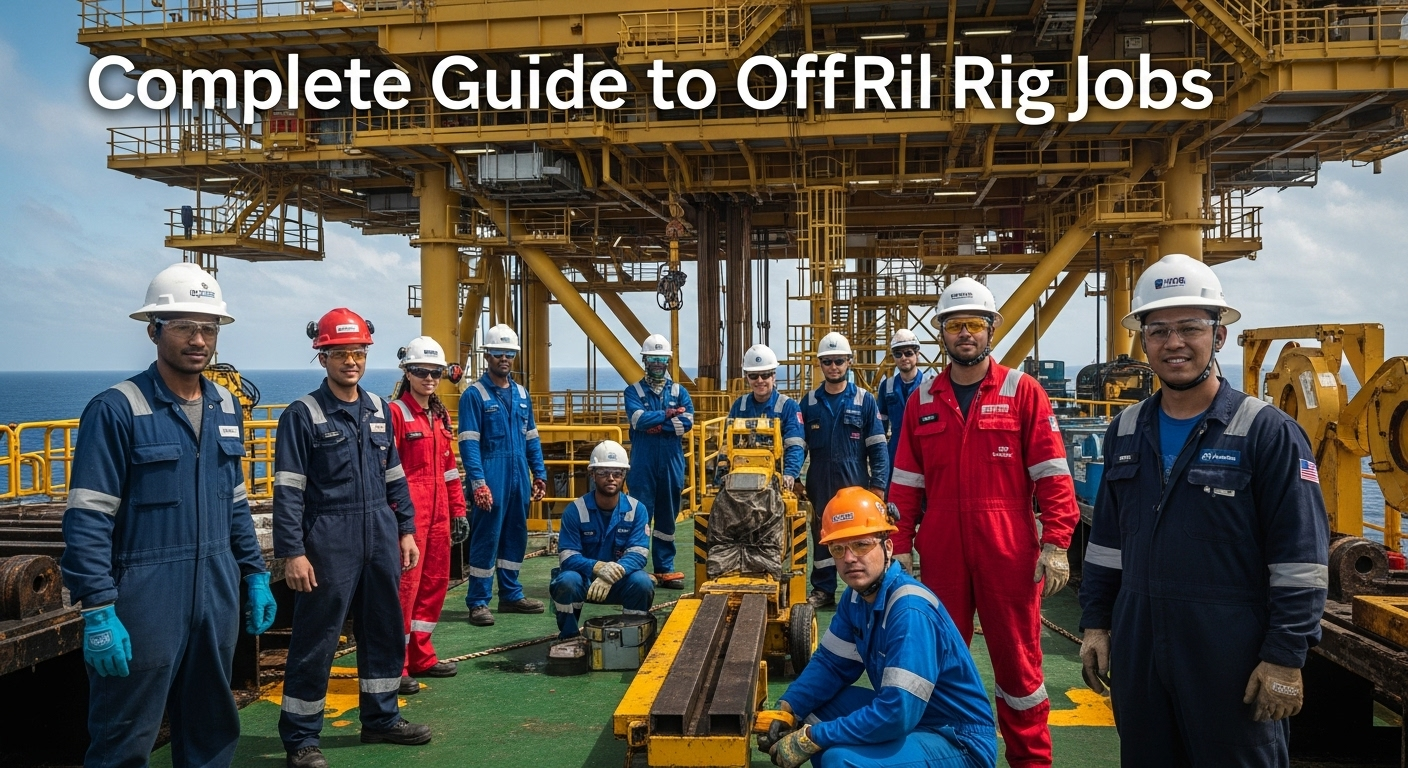
Complete Guide to Offshore Oil Rig Jobs

Entry-Level Positions and Starting Your Offshore Career

The offshore oil industry provides numerous entry points for individuals seeking to begin their careers in this dynamic field. Roustabouts represent the most common starting position, requiring no prior experience but demanding physical stamina and willingness to learn. These workers perform general maintenance tasks, assist with equipment operations, and support various departments across the rig. The role serves as an excellent foundation for understanding offshore operations and can lead to specialized positions within 12-24 months.

Floorhands work directly on the drill floor, operating equipment under the supervision of experienced crew members. This position offers hands-on experience with drilling operations and provides a clear pathway to advancement. Catering staff, including cooks and stewards, ensure the crew's nutritional needs are met during extended offshore rotations. These positions often require culinary training or hospitality experience and play a crucial role in maintaining crew morale and productivity.

Technical and Specialized Drilling Positions

Drilling operations require highly skilled professionals who understand complex machinery and geological processes. Drillers oversee the entire drilling process, managing equipment worth millions of dollars and ensuring operations proceed safely and efficiently. This position typically requires 5-10 years of offshore experience and comprehensive knowledge of drilling techniques, safety protocols, and equipment operation.

Assistant drillers support drilling operations while gaining experience necessary for advancement to driller positions. They monitor drilling parameters, maintain equipment, and coordinate with other departments to ensure smooth operations. Derrick hands work at significant heights, managing pipe connections and equipment in the derrick structure. This role demands physical fitness, attention to detail, and comfort working in challenging conditions.

Mud engineers, also known as drilling fluid engineers, analyze and maintain the drilling mud system that lubricates drill bits and removes cuttings from the wellbore. This highly technical position requires chemistry knowledge and specialized training in drilling fluid properties and applications.

Engineering and Technical Support Roles

Offshore operations rely heavily on engineering expertise to maintain complex systems and solve technical challenges. Petroleum engineers design drilling programs, analyze reservoir data, and optimize production strategies. These professionals typically hold engineering degrees and possess deep understanding of geology, fluid dynamics, and reservoir engineering principles.

Mechanical engineers maintain and repair the vast array of machinery that keeps offshore platforms operational. From massive diesel engines to intricate control systems, these professionals ensure equipment reliability in harsh marine environments. Electrical engineers manage power generation and distribution systems, instrumentation, and control systems that monitor and automate platform operations.

Instrumentation technicians specialize in maintaining sophisticated monitoring and control equipment that ensures safe and efficient operations. They calibrate sensors, repair electronic systems, and troubleshoot complex technical issues that could impact production or safety.

Safety and Environmental Positions

Safety represents the highest priority in offshore operations, creating numerous opportunities for safety professionals. Safety officers develop and implement comprehensive safety programs, conduct training sessions, and investigate incidents to prevent future occurrences. These positions require extensive safety training, often including certifications in occupational health and safety management systems.

Environmental compliance specialists ensure operations meet strict environme

ntal regulations and minimize ecological impact. They monitor emissions, manage waste disposal, and implement environmental protection measures. This role typically requires environmental science education and knowledge of maritime environmental regulations.

Medics provide essential healthcare services to offshore crews, treating injuries and illnesses that occur during operations. They must maintain advanced first aid certifications and often possess paramedic or nursing qualifications to handle medical emergencies in remote locations.

Marine and Logistics Operations

Offshore platforms require constant coordination with onshore facilities and supply vessels. Marine coordinators manage vessel schedules, cargo transfers, and personnel transportation. They work closely with ship captains and logistics companies to ensure timely delivery of supplies and equipment.

Crane operators handle the critical task of moving heavy equipment and supplies between vessels and platforms. This specialized position requires extensive training and certification in crane operations, with emphasis on working in marine environments where weather conditions can change rapidly.

Radio operators maintain communication systems that connect offshore platforms with onshore facilities, other platforms, and emergency services. They ensure reliable communication channels remain operational at all times, which is essential for both routine operations and emergency response.

Management and Supervisory Roles

Experienced offshore workers can advance to supervisory and management positions that oversee entire operations. Offshore installation managers (OIMs) hold ultimate responsibility for platform operations, safety, and personnel management. This senior position requires extensive offshore experience, leadership skills, and comprehensive knowledge of all platform systems.

Tool pushers supervise drilling operations, managing drilling crews and coordinating with other departments to maintain production schedules. They serve as the primary liaison between drilling operations and platform management, requiring strong leadership abilities and technical expertise.

Maintenance supervisors oversee mechanical and electrical maintenance programs, ensuring equipment reliability and minimizing downtime. They coordinate maintenance schedules, manage spare parts inventory, and supervise maintenance crews across multiple disciplines.

Compensation and Career Advancement

Offshore oil rig positions offer competitive compensation packages that reflect the demanding nature of the work and specialized skills required. Entry-level positions typically start at $50,000-$70,000 annually, with experienced workers earning $80,000-$150,000 or more. Specialized technical positions and management roles can command salaries exceeding $200,000 annually.

Most offshore positions follow rotation schedules, commonly 14 days on and 14 days off, though some rotations extend to 21 or 28 days. During offshore periods, workers receive free accommodation, meals, and transportation, effectively reducing personal living expenses.

Career advancement opportunities are substantial for dedicated workers who demonstrate competence and leadership potential. Many companies provide comprehensive training programs, tuition reimbursement for relevant education, and clear promotion pathways. The skills developed in offshore work are highly transferable, opening opportunities in related industries including renewable energy, marine construction, and industrial manufacturing.

The offshore oil industry continues evolving with new technologies and environmental considerations, creating emerging opportunities in areas such as offshore wind energy, carbon capture systems, and advanced drilling technologies. Workers who adapt to these changes and develop relevant skills will find excellent long-term career prospects in the expanding offshore energy sector.